Ready to tackle a car fix yourself? You can swap out an oil filter housing without feeling overwhelmed. This job might sound tricky, but you’ll find it manageable with the right approach. You’ll pick up tips to help you avoid leaks and keep your engine running smooth. If your car has special steps, check your vehicle’s manual or a specific guide before you start.
Key Takeaways
Look for oil leaks, cracks, or burning oil smells. These signs tell you when to change your oil filter housing. - Get simple tools like a socket set and an oil drain pan. This helps you stay ready before you start the job. - Always put in a new O-ring or gasket. This stops leaks when you put in the new oil filter housing. - Go slow with each step, and check your work two times. This helps make sure you fix it right. - If you see leaks after you finish, fix them right away. This keeps your engine safe.
Oil Filter Housing Replacement Overview
The oil filter housing sits on your engine and holds the oil filter in place. You might see it as a metal or plastic part that connects the filter to the engine block. This housing keeps oil from leaking and helps the oil filter do its job. When you change your oil filter, you usually twist off the filter from this housing.
Altop Precision Die Casting CO., Ltd. makes high-quality oil filter housings. Many car owners trust their parts for durability and a good fit. If you want to avoid leaks and engine trouble, you should always use a reliable oil filter housing.
Difficulty & Time Estimate
You can handle oil filter housing replacement if you have basic tools and some patience. Most people finish this job in one to two hours. If you have worked on your car before, you might finish faster. For beginners, take your time and follow each step. You do not need special skills, but you should feel comfortable working under the hood.
Tip: Take pictures as you go. These photos help you remember where each part goes when you put everything back together.
When to Replace Oil Filter Housing
You should replace the oil filter housing if you see oil leaks around the filter area. Cracks, worn seals, or damage can cause leaks. Sometimes, the housing warps from heat or age. If you notice oil on your driveway or smell burning oil, check the oil filter housing. Replacing it keeps your engine safe and prevents bigger problems.
You also need to change the oil filter every time you do an oil change. If you see damage or leaks, do not wait. Oil filter housing replacement protects your engine and keeps your car running smoothly.
Common signs you need a new oil filter housing:
If you spot these signs, get ready to swap out the housing and the oil filter. Using a trusted supplier like Altop helps you avoid future headaches.
Tools and Parts for Oil Filter Housing
Getting ready is half the battle. You want to have everything on hand before you start. This way, you won’t have to stop in the middle of your project to run to the store. Let’s break down the tools needed, the parts needed, and a few extras that make the job easier.
Required Tools
You don’t need fancy equipment for this job. Most of the tools needed are probably already in your garage or toolbox.
Tip: Lay out your tools before you begin. This helps you stay organized and saves time.
Replacement Parts & O-Rings
You need the right parts needed for a leak-free repair. Always double-check your vehicle’s manual for the correct sizes.
Part | Purpose |
Oil filter | Keeps engine oil clean |
Oil filter housing gasket | Seals the housing to prevent leaks |
Oil filter housing gasket | Stops oil from seeping out |
Oil filter housing | Holds the oil filter in place |
Don’t forget to grab a new oil filter. You should always replace it when you swap out the oil filter housing. The oil filter housing gasket is just as important. It keeps oil inside your engine where it belongs.
Optional Supplies
Some extras can make your job smoother and cleaner.
Nitrile gloves (keep your hands clean)
Safety glasses
Engine degreaser (for cleaning up old oil)
Flashlight or work light
Zip-top bags (for small bolts and screws)
If you want to avoid messes, use a drip tray under your car. You can also use a marker to label parts as you remove them. This helps you remember where everything goes.
Stay organized and take your time. Careful work means fewer leaks and a longer-lasting repair.
Preparation Before Replacement
Safety Precautions
Before you start, safety comes first. You want to protect yourself and your car. Put on nitrile gloves to keep your hands clean. Safety glasses help shield your eyes from oil splashes. Make sure the engine is cool. Hot engine parts can burn you. Never rush this step. If you see oil on the ground, clean it up right away. Oil spills can make you slip.
Tip: Keep a fire extinguisher nearby. Oil is flammable, so it’s smart to be prepared.
Vehicle Setup
You need to get your car ready for the job. Park your car on a flat surface. Use wheel chocks behind the tires so the car does not roll. Set the parking brake. Open the hood and prop it up securely. Place an oil drain pan under the engine. This catches old oil when you remove the filter housing. Gather all your tools and parts before you begin. You can use a flashlight if the area is dark.
Here’s a quick checklist:
Park on level ground
Use wheel chocks
Set parking brake
Open hood
Place oil drain pan
Gather tools and parts
Locate Oil Filter Housing
Now, find the oil filter housing. Look for a round or oval-shaped part attached to the engine block. It usually sits near the top or side of the engine. Some cars have a plastic cover over the engine. You may need to remove this cover first. Check your owner’s manual if you are not sure where to look. Take a picture of the area before you start. This helps you remember how everything fits together.
If you have trouble finding it, search for a part that looks like a small canister or cap. That’s often the oil filter housing.
Replace Oil Filter Housing Steps
Drain Engine Oil
Start by draining the engine oil. Place your oil drain pan under the oil pan. Remove the oil drain plug with your socket wrench. Let the old oil flow out completely. This step keeps oil from spilling when you remove the oil filter housing. Wipe up any drips with a rag. Put the drain plug back in once the oil stops flowing. Tighten it by hand first, then use your wrench for a snug fit.
Tip: Warm oil drains faster. Run your engine for a few minutes before you begin, but make sure the engine cools down so you do not burn yourself.
Remove Components for Access
Some vehicles have extra parts blocking the oil filter housing. You might see a heat shield, engine cover, or even hoses in the way. Use your socket set or screwdriver to remove these parts. Keep all bolts and screws in a zip-top bag. Take a photo before you start so you remember where everything goes. If you need to move hoses, mark their positions with tape.
If you are not sure which parts to remove, check your vehicle’s manual or look up a guide for your car model.
Remove Oil Filter Housing
Now you are ready for the removal. Find the oil filter housing and use your socket wrench to loosen the bolts holding it in place. Work slowly and keep track of each bolt. Once the bolts are out, gently pull the housing away from the engine block. Some oil may drip out, so keep your drain pan underneath. Remove the old oil filter from the housing. Set both aside for inspection.
Note: If the housing feels stuck, wiggle it gently. Do not use too much force. You do not want to damage the engine block.
Clean Surfaces & Replace O-Ring
Before you install the new oil filter housing, clean the area where the old housing sat. Use a clean rag to wipe away old oil and debris. Check the engine block for leftover gasket material. Remove any bits you find. Now, look at the O-ring or gasket that came with your replacement parts. Always use a new O-ring. Lightly coat it with fresh engine oil. This helps it seal better and prevents leaks.
Tip: Never reuse old O-rings or gaskets. They can cause leaks and make your repair fail.
Install New Oil Filter Housing
Take your new oil filter housing and line it up with the engine block. Make sure the new O-ring sits in the correct groove. Press the housing into place. Insert the bolts by hand first to avoid cross-threading. Tighten the bolts in a crisscross pattern. Use your torque wrench to finish tightening them to the manufacturer’s specs. This step keeps the seal even and prevents leaks.
Double-check that the oil filter is seated correctly in the housing before you finish this step.
Reassemble & Refill Oil
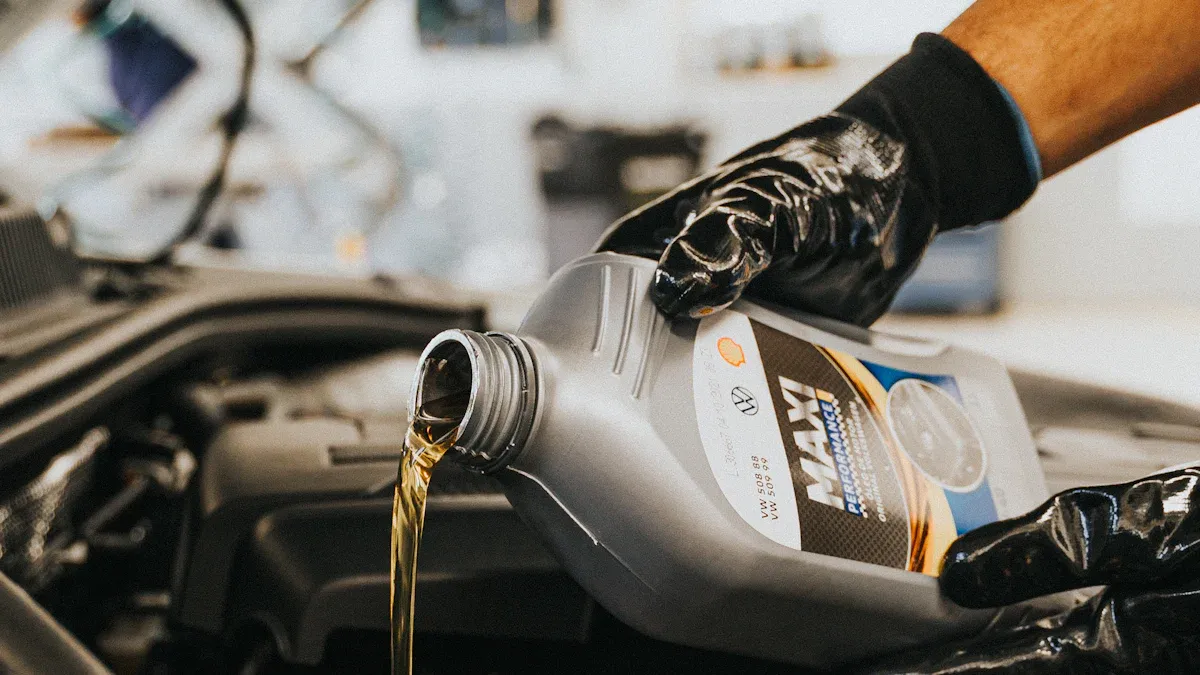
Put back any parts you removed earlier, like the heat shield or engine cover. Make sure all bolts and screws go back in their original spots. Now, remove the oil fill cap on top of your engine. Place a funnel in the opening and pour in the correct amount of fresh engine oil. Check your owner’s manual for the right type and amount. Replace the oil fill cap when you finish.
Tip: Pour oil slowly to avoid spills. Wipe up any drips right away.
Check for Leaks
Start your engine and let it idle for a few minutes. Watch the area around the oil filter housing and the oil filter. Look for any signs of oil leaking. If you see drips or wet spots, turn off the engine and check the bolts and O-ring. Tighten bolts if needed. If you do not see leaks, turn off the engine and let it sit for a few minutes. Check the oil level with the dipstick and add more oil if needed.
If you spot a leak, do not ignore it. Fix it right away to protect your engine.
You have now finished the replacement process. Take your time with each step. Careful work helps you avoid mistakes and keeps your engine running strong. If you run into trouble or feel unsure, check a vehicle-specific guide or ask a professional for help.
Tips and Precautions
Common Mistakes
You want your repair to last. Watch out for these common mistakes that can cause problems later.
Forgetting to replace the O-ring. This small part keeps oil from leaking. Always use a new one when you install a new oil filter.
Over-tightening bolts. You might think tighter is better, but too much force can crack the oil filter housing or strip threads.
Not cleaning the surface. Dirt or old gasket material can stop the oil filter from sealing. Wipe everything clean before you put on the new parts.
Using the wrong oil filter. Double-check your vehicle’s manual. The wrong size can lead to leaks or poor oil flow.
Skipping the oil change. Fresh oil helps your engine and your new oil filter work better.
Tip: Take your time. Rushing leads to mistakes. Snap a quick photo before you remove anything. This helps you remember where each part goes.
Final Checks
You finished the job, but don’t rush to drive away. Do these final checks to make sure everything works right.
Start your engine and let it idle. Watch the oil filter and oil filter housing for leaks.
Check the oil level with the dipstick. Add more oil if needed.
Listen for strange noises. A quiet engine means your oil filter is working well.
Look under your car for drips. Even a small leak can cause big problems later.
After a short drive, check the oil filter again. Make sure everything stays dry.
If you see a leak, turn off the engine and check your work. Tighten bolts if needed or replace the O-ring. You want your oil filter to keep your engine safe and clean.
You just learned how to replace your oil filter housing step by step. Take your time with each part of the job. Double-check your work and look for leaks before you drive. Always pick quality parts from trusted brands like Altop for the best results. If you feel stuck or unsure, ask a professional for help. Your engine will thank you for the extra care!
FAQ
How do I know if my oil filter housing is leaking?
You might see oil spots under your car. You could smell burning oil while driving. Sometimes, you notice oil on the engine. If you spot these signs, check the oil filter housing right away.
Can I reuse the old O-ring or gasket?
No, you should never reuse old O-rings or gaskets. They can leak and cause engine problems. Always use a new one for a good seal.
What happens if I over-tighten the bolts?
If you over-tighten the bolts, you might crack the housing or strip the threads. Use a torque wrench and follow your car’s manual for the right tightness.
Do I need special tools for this job?
Most of the time, you only need basic tools like a socket set, ratchet, and torque wrench. You do not need special equipment for most cars.