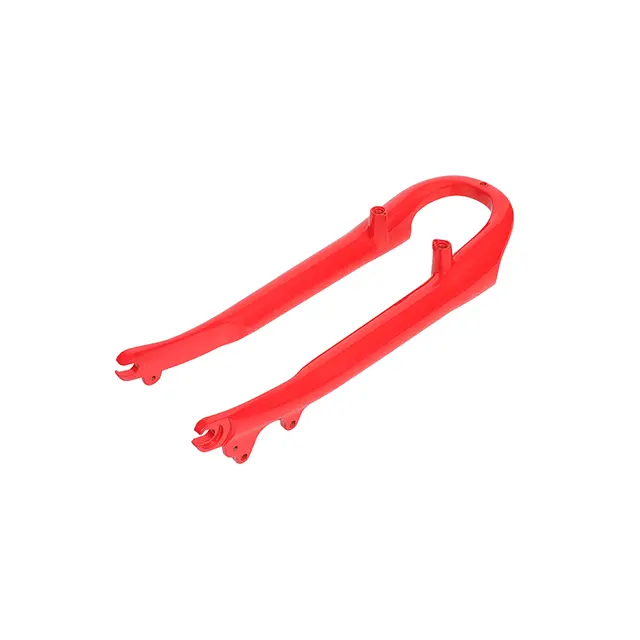
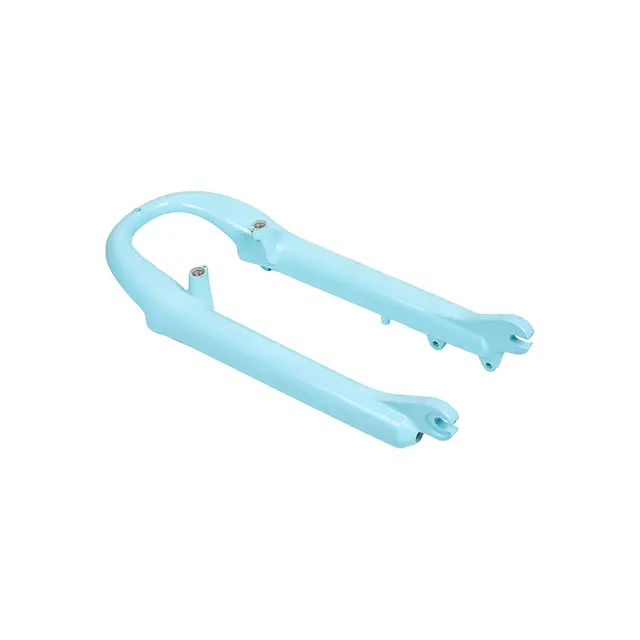
Upgrading your bike’s handling often starts with the front end. Whether you are swapping a heavy stock part for a lightweight carbon fiber fork or adding a high-performance suspension system for mountain trails, knowing how to install bike front forks correctly is vital. This task might seem daunting to a beginner, but it is one of the most rewarding DIY projects for any cyclist.
A proper installation ensures your safety and preserves the life of your headset bearings. If you get it wrong, you risk shaky steering or, worse, mechanical failure during a high-speed descent. We will guide you through the process of preparing your frame, seating the crown race, and securing the cockpit. By the end of this guide, you will have the confidence to transform your ride's performance and comfort.
Essential Tools and Preparation for Installation
Before you touch your bike, you need the right workspace. Installing bike front forks requires precision tools to avoid damaging delicate materials like an aluminum alloy steerer tube. We recommend a clean bike stand to keep the frame stable. Working on the floor makes it difficult to align the headset components properly.
You will need a set of Allen keys (usually 4mm and 5mm), a torque wrench, a hacksaw with a guide, and a crown race setter. If you are installing a lightweight fork, a torque wrench is non-negotiable. Over-tightening bolts on a carbon fiber steerer can cause invisible cracks that lead to snapping. We also suggest having high-quality waterproof grease on hand to protect the bearings from the elements.
Tool Name
Purpose
Criticality
Torque Wrench
Prevents over-tightening bolts
High (Essential for Carbon)
Crown Race Setter
Seats the bearing race on the fork
High
Pipe Cutter/Saw Guide
Ensures a straight steerer tube cut
Medium
Waterproof Grease
Lubricates bearings and prevents rust
High
Measuring and Cutting the Steerer Tube Safely
New bike front forks usually come with an extra-long steerer tube. You must cut it to fit your specific frame and preferred handlebar height. This is a "measure twice, cut once" situation. We suggest sliding the fork into the headtube with all headset spacers and the stem in place first. Mark the steerer tube about 3mm below the top of the stem. This gap allows the top cap to pull everything tight later.
If you are working with an aluminum alloy tube, a standard pipe cutter works well. However, for carbon fiber components, use a fine-tooth hacksaw blade specifically designed for composites. Rough edges can lead to delamination. After cutting, use a file to smooth the edges. We find that a clean, square cut is the secret to a rattle-free cockpit. Always wear a mask when filing carbon to avoid breathing in harmful dust.
Seating the Crown Race and Headset Bearings
The crown race is a small metal ring that sits at the very base of the steerer tube. It provides the surface for the bottom headset bearing to rotate on. Installing it on new bike front forks requires a dedicated setting tool. You must drive it down until it sits perfectly flush against the fork crown. Any gap here will cause the steering to feel loose or "notchy" once you start riding.
Step-by-Step Bearing Assembly
Grease the Seats: Apply a thin layer of grease to the top and bottom of the frame's headtube.
Slide the Fork In: Slide the steerer through the bottom bearing, through the frame, and then through the top bearing.
Compression Ring: Install the split compression ring. This part centers the steerer tube within the bearings.
Spacers: Add your spacers. These define your riding position—more spacers mean a more upright, comfortable feel.
Why Material Matters for the Crown Race
If you have a lightweight fork, the crown might be shaped differently than a heavy steel one. Ensure your crown race is compatible with your specific headset. For suspension forks, the crown is often wider to handle trail vibrations. We recommend using a PVC pipe if you don't have a professional setter, but only as a last resort. Professional tools ensure the race stays level, which prevents premature bearing wear.
Installing Suspension vs. Rigid Forks
The installation process varies slightly depending on the type of bike front forks you choose. A rigid carbon fiber fork is straightforward because it has no moving parts. You simply install it and go. However, a suspension fork adds complexity due to its weight and internal mechanics. If you are installing an air suspension model, you must also consider the clearance for the air valves and adjustment knobs.
Dealing with Air Suspension Settings
Adjustable Travel: Some forks allow you to change the height. Ensure your frame geometry can handle the extra length before finalizing the install.
Remote Lockouts: If your fork features an adjustable lockout, you will need to route a cable to your handlebars during the installation.
Brake Alignment:Suspension forks often use "Post Mounts" for disc brakes. You may need specific adapters to ensure your calipers align with the rotors.
Weight Distribution and Handling
Adding an aluminum alloy suspension fork will significantly change the bike's front-end weight compared to a rigid setup. This affects how much torque you need to apply to the headset to keep it tight. We have found that air suspension forks offer the best balance of weight and tunability. They allow you to "set and forget" the pressure once the mechanical installation is complete.
Securing the Stem and Setting Preload
This is the most critical step for a safe ride. The "preload" is the tension that holds the bearings together without binding them. Slide your stem onto the steerer tube of your bike front forks. Install the top cap and bolt. Tighten the top cap bolt slowly until you feel resistance. You aren't trying to clamp it down hard; you are just removing the "play" or wiggle from the system.
Once the play is gone, align your handlebars with the front wheel. Now, use your torque wrench to tighten the stem's side bolts (pinch bolts). If you are using a carbon fiber steerer, check the manufacturer's spec—it is usually between 5Nm and 6Nm. Over-tightening here is the most common way cyclists ruin expensive lightweight forks. We suggest checking for "play" by holding the front brake and rocking the bike back and forth. If you feel a click, the preload is too loose.
Finishing Touches: Brakes and Cable Routing
With the fork physically installed, you must attach the braking system. Most modern bike front forks use disc brakes. Ensure the hose or cable is routed on the inside of the fork leg. This prevents it from getting snagged on branches or debris. If your fork is lightweight, it might have specific cable guides integrated into the design.
For those using adjustable damping systems, make sure the knobs are accessible and not blocked by your brake lines. We also recommend checking the tire clearance. Even if the fork fits the frame, a high-volume tire might rub against the arch of a suspension fork. A quick test spin in the work stand will reveal any rubbing issues. Finally, double-check every bolt one last time. It takes five minutes but provides hours of peace of mind.
Conclusion
Installing bike front forks is a major milestone for any home mechanic. It changes the soul of your bicycle. A lightweight carbon fiber fork can turn a sluggish commuter into a snappy road machine. Meanwhile, a high-quality air suspension system opens up technical trails that were once too rough to handle.
By following these steps—measuring carefully, using the right tools, and respecting torque limits—you ensure your bike remains safe and efficient. Remember that the headset is a dynamic system. It might need a small adjustment after your first few rides as the bearings settle. Keep your tools handy, stay observant, and enjoy the precision of a perfectly installed front end.
FAQ
Q: Can I use a regular star nut in a carbon fiber steerer?
A: No. You must use an expansion plug for carbon fiber steerers. A star nut will scratch and weaken the carbon walls, leading to failure. Use star nuts only for aluminum alloy or steel tubes.
Q: How often should I check the bolts on my bike front forks?
A: We recommend checking them after the first 50 miles of riding, and then every few months. Vibrations from the road can occasionally loosen the stem pinch bolts.
Q: Why does my suspension fork feel stiff after installation?
A: If it is an air suspension fork, you likely need to adjust the air pressure to match your body weight. Also, check that the adjustable lockout lever isn't accidentally engaged.
Q: Can I install a fork with more "travel" than my old one?
A: Usually, you can go up by 10mm to 20mm without ruining the handling. However, adding a massive suspension fork to a frame designed for rigid forks can stress the headtube and lead to cracks.
Q: Do I need special grease for carbon parts?
A: Use "carbon assembly paste" on the interface between the stem and the steerer. This adds friction so you don't have to over-tighten the bolts to keep the bars from twisting.